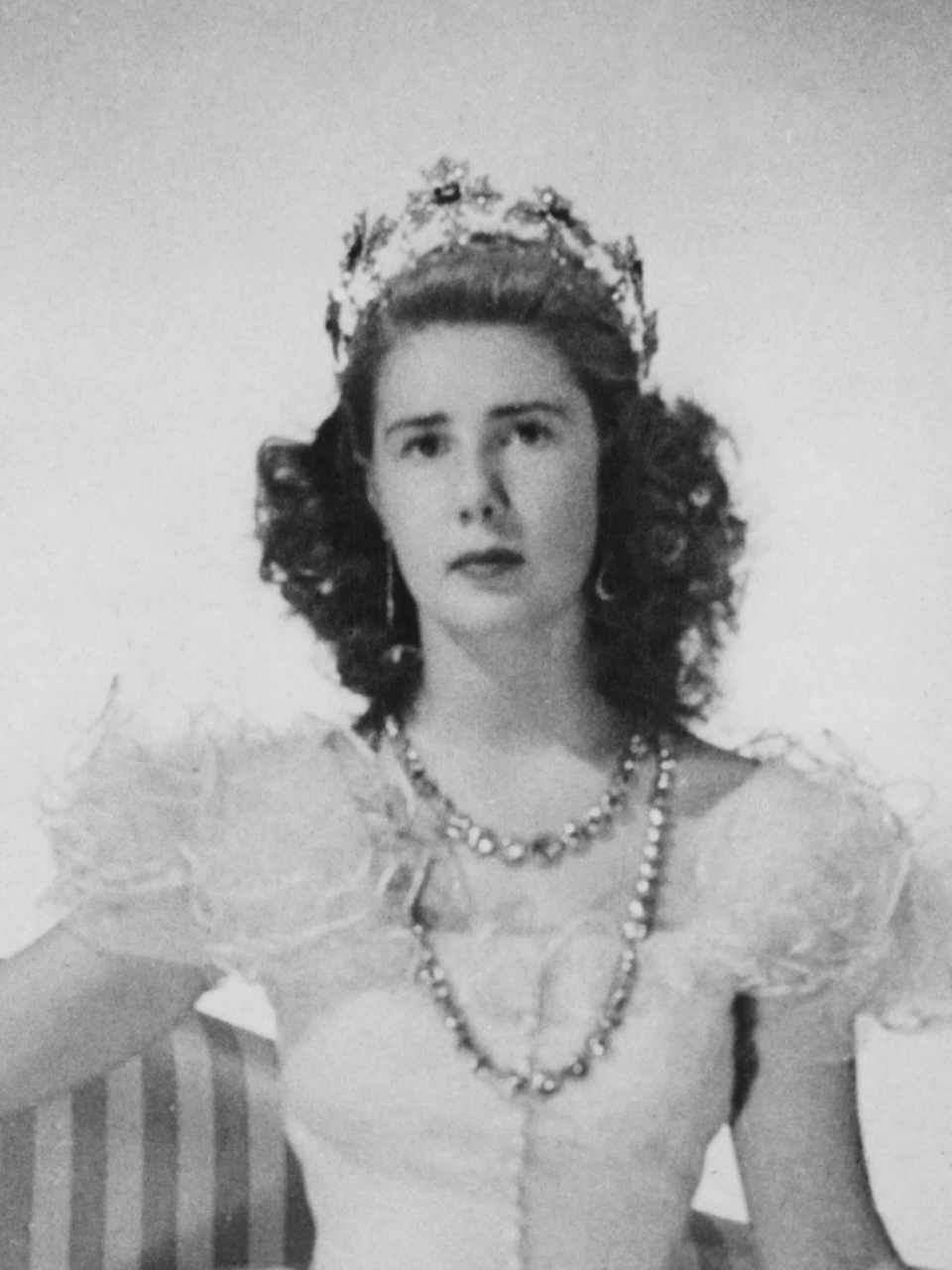
The 18th Duchess of Alba: A Legacy of Female Power
When one speaks of European aristocracy, few figures shine as brightly or with as much independent spirit as María del Rosario Cayetana Fitz-James Stuart y Silva, the 18th Duchess of Alba. Born on March 28, 1926, and passing on November 20, 2014, Cayetana was far more than just a holder of ancient titles; she was a vibrant, often defiant personality who captivated Spain and the world. Her life embodied a unique blend of tradition and modernity, privilege and public fascination, all underscored by an immense personal and historical wealth. While the precise figure for
cayetana fitz james stuart 18th duchess alba net worth remains a subject of speculation and historical estimation rather than a simple public accounting, her legacy is undeniable – a testament to enduring female power within a historically patriarchal system.
Who Was Cayetana Fitz-James Stuart? A Life Beyond Titles
Cayetana Fitz-James Stuart was born into one of Spain's oldest and most illustrious noble families, the House of Alba, which traces its lineage back to the 14th century. Her father, the 17th Duke of Alba, was a well-known figure, serving as the Spanish ambassador to the UK during World War II. Her mother, María del Rosario de Silva y Gurtubay, 9th Marchioness of San Vicente del Barco, unfortunately passed away when Cayetana was a young child, leaving her father to raise her in an environment steeped in history, art, and immense responsibility.
What made Cayetana particularly unique was her position as the *third woman* in the long history of the House of Alba to hold the Dukedom of Alba in her own right. This wasn't merely a ceremonial honor; it meant she was the head of the household, responsible for its vast estates, priceless art collections, and ancient archives. Her life was intrinsically linked to these inherited treasures, a burden and a privilege she embraced with characteristic vigor. Beyond the primary dukedom, Cayetana also held an astonishing array of other titles – more than any other aristocrat in the world during her lifetime. This fact alone made her a living piece of history, an unparalleled figure in the global nobility, earning her the moniker of
Cayetana Fitz-James Stuart: World's Most Titled Noble.
Her early life was marked by historical upheaval, from the Spanish Civil War to World War II, which she spent partly in England. These experiences undoubtedly shaped her pragmatic yet fiercely independent spirit. Returning to Spain, she quickly became a fixture in European high society, known for her beauty, her flamboyant style, and her unconventional choices.
The Legacy of a Titled Life: Power and Influence
Cayetana Fitz-James Stuart's power wasn't just derived from her titles; it stemmed from her personality and her unapologetic embrace of her unique position. She was a woman who consistently defied expectations, making her a fascinating study in female agency within a world often bound by tradition. Her choices, whether in marriage (she married three times, her final marriage at age 85 to a civil servant 25 years her junior caused a global sensation), fashion, or public demeanor, frequently made headlines. She wasn't afraid to speak her mind or to live life on her own terms, earning her the reputation as
Cayetana Fitz-James Stuart: Spain's Defiant Aristocrat.
Her influence extended beyond the purely social. As the custodian of an incredible historical and cultural patrimony, she wielded significant cultural power. She oversaw the preservation and, in many cases, public access to the Alba family's treasures, including masterpieces by Goya, Velázquez, El Greco, and Rubens, housed in palaces like the Palacio de Liria in Madrid and the Palacio de las Dueñas in Seville. These weren't just private residences; they were living museums, integral to Spain's national heritage. Her personal decisions on their management and display had a real impact on art history and tourism.
Furthermore, her social standing afforded her considerable leverage in Spanish society. She navigated political changes, from Franco's dictatorship to the re-establishment of the monarchy, always maintaining her family's prominent position. Her assertiveness in managing her vast estate and her personal life, often against the counsel of family and tradition, cemented her image as a powerful matriarch who was truly in control of her destiny and her domain. This independent spirit, coupled with her custodianship of immense historical assets, forms a crucial part of her "female power" legacy.
Unpacking the Wealth: The Alba Estate and Its Value
When discussing the
cayetana fitz james stuart 18th duchess alba net worth, it's essential to understand that her wealth wasn't primarily liquid cash but rather vast historical assets. Estimating a precise "net worth" for someone like the Duchess of Alba is incredibly complex and, arguably, misses the point of her immense patrimony. Unlike a tech mogul whose wealth is often in company shares or public investments, the Duchess's fortune was tied to:
* **Vast Landholdings:** The House of Alba owns some of the largest tracts of agricultural land in Spain, particularly in Andalusia. These estates have been in the family for centuries and continue to be significant income generators.
* **Historic Palaces and Residences:** Key among these are the Palacio de Liria in Madrid and the Palacio de las Dueñas in Seville. These are not merely houses but architectural marvels, maintained at immense cost and housing invaluable collections. Their historical and cultural significance far outweighs any purely market value.
* **Priceless Art Collections:** The Alba collection is renowned globally, featuring works by Spanish masters like Goya, Velázquez, and El Greco, as well as European artists such as Rubens, Titian, and Van Dyck. Many of these pieces are considered national treasures and are subject to strict heritage laws, making their "sale" or precise valuation difficult.
* **Historical Archives and Libraries:** The Alba archives are among the most important private historical archives in Europe, containing documents, letters, and manuscripts spanning centuries, offering unparalleled insights into Spanish and European history. These are truly beyond monetary valuation.
* **Jewelry and Personal Assets:** While significant, these formed a smaller component of her overall wealth compared to the real estate, art, and historical patrimony.
In the years leading up to her final marriage, amidst concerns from her children and public speculation about her finances, the Duchess famously decided to divide her considerable estate among her six children. This strategic move was not only to ensure the continuity of the House of Alba but also to simplify inheritance issues and reportedly minimize future tax burdens, a common practice among Europe's wealthiest families. This demonstrates her pragmatic approach to managing an ancient fortune in the modern era. While estimates of the Alba estate's value often range into the hundreds of millions or even billions of euros, these figures are largely speculative and fail to capture the unique, irreplaceable historical and cultural value of her holdings. Her "net worth" was, in essence, the net worth of centuries of Spanish history and culture.
The Duchess's Enduring Impact: Beyond Riches
Cayetana Fitz-James Stuart's impact on Spanish society and beyond was profound. She was a bridge between Spain's grand aristocratic past and its vibrant, modern present. Her life was a living narrative of continuity, demonstrating how an ancient lineage could not only survive but thrive in a rapidly changing world. She was a patron of the arts, a socialite, and a figure of constant public fascination. Her flamboyant style, often mixing high fashion with traditional flamenco touches, became her signature.
Beyond the headlines and the wealth, the Duchess was also seen as a figure who represented resilience and passion. She was fiercely dedicated to her family and to the preservation of her heritage, viewing herself not just as an owner, but as a temporary custodian of something much larger than herself. Her passing in 2014 marked the end of an era, but her legacy continues through her children, particularly her eldest son, Carlos Fitz-James Stuart, who inherited the Dukedom and the responsibility of the Alba estate.
Her life offers compelling insights into the enduring power of aristocratic families, the complexities of inherited wealth, and, most importantly, the strength of a woman who carved out a unique identity amidst immense historical expectations.
In conclusion, Cayetana Fitz-James Stuart, the 18th Duchess of Alba, was an extraordinary figure whose legacy of female power, defiance, and unparalleled titles will resonate for generations. While the exact monetary value of
cayetana fitz james stuart 18th duchess alba net worth may elude precise calculation, her true wealth lay in the vast, invaluable historical, cultural, and artistic patrimony she inherited and meticulously stewarded. She was a living embodiment of history, a defiant aristocrat who truly lived life on her own terms, leaving an indelible mark on Spain and the world.