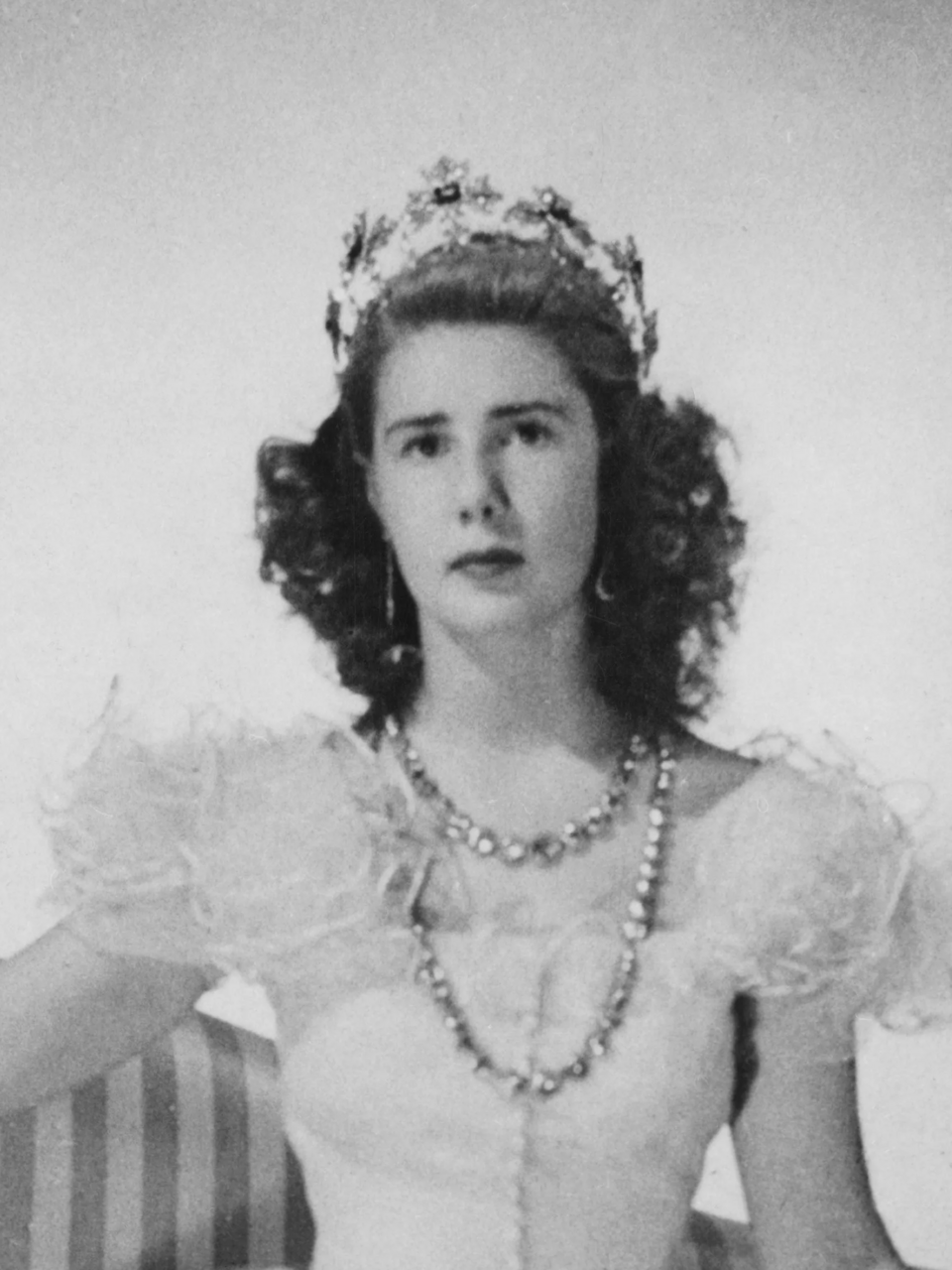
Cayetana Fitz-James Stuart: Exploring the Legacy of the World's Most Titled Noble
In the annals of European aristocracy, few figures shine as brightly or uniquely as María del Rosario Cayetana Fitz-James Stuart y Silva. Known to the world simply as Cayetana, the 18th Duchess of Alba, she was a woman whose life story read like a chapter from history itself. Born on March 28, 1926, and passing on November 20, 2014, she held a distinction that set her apart from all other nobles: she was officially recognized by the Guinness Book of Records as the world's most titled aristocrat. Her fascinating life, marked by immense privilege, a spirited personality, and a connection to centuries of Spanish and European history, continues to captivate. While discussions often swirl around the question of Cayetana Fitz-James Stuart, 18th Duchess Alba net worth, understanding her wealth requires looking beyond simple monetary figures and delving into the extraordinary patrimony she inherited and meticulously managed.
The Unrivaled Legacy of Cayetana Fitz-James Stuart: World's Most Titled Noble
Cayetana Fitz-James Stuart was not just a Duchess; she was a living embodiment of history. Her full name alone, María del Rosario Cayetana Alfonsa Victoria Eugenia Francisca Fitz-James Stuart y de Silva Falcó y Gurtubay, hinted at the vast network of lineages that converged within her. With over 40 hereditary titles, including five dukedoms, 18 marquessates, 20 countships, and various viscountcies and lordships, her collection of honors was truly unparalleled. This incredible accumulation of titles stemmed from a long and intricate history of intermarriage among Spain's most powerful noble families, as well as connections to the British Royal Family through the illegitimate son of King James II of England.
A Pedigree Spanning Centuries
The House of Alba, one of Spain's oldest and most prestigious noble houses, traces its roots back to the 14th century. Cayetana was the third woman in her own right to hold the paramount title of Duchess of Alba, a significant achievement in a lineage traditionally dominated by men. This distinction underscores her individual strength and her pivotal role in continuing the dynasty. The Alba family's influence has permeated Spanish history for centuries, playing crucial roles in politics, military affairs, and cultural patronage. To be the head of such a house meant inheriting not just titles, but a profound sense of responsibility for a unique cultural and historical legacy.
More Than Just Titles: The Power of Nobility
While titles might seem like mere ceremonial distinctions in the modern age, in Cayetana's case, they represented real historical power and influence. Each title often came with its own set of historical privileges, landholdings, or associations. Her position as a grandee of Spain, for instance, gave her the right to remain covered in the presence of the monarch, a symbolic but telling indicator of her elevated status. Beyond the formal recognition, her vast network of historical connections and the sheer prestige of her family name gave her an undeniable presence in Spanish society, making her an enduring icon and a fascinating subject for those interested in the intricacies of aristocracy.
Unpacking the Wealth: Cayetana Fitz-James Stuart's Estate and Assets
The question of Cayetana Fitz-James Stuart, 18th Duchess Alba net worth is complex, primarily because aristocratic wealth differs significantly from modern corporate or liquid assets. Her fortune wasn't primarily held in bank accounts or stock portfolios in the same way a tech magnate's might be. Instead, her wealth was intrinsically tied to the centuries-old patrimony of the House of Alba: vast landholdings, historic palaces, and priceless art collections. These assets represent an enduring legacy that transcends monetary valuation.
The Enigma of Aristocratic Net Worth
Pinpointing an exact net worth for an aristocrat like Cayetana Fitz-James Stuart is notoriously difficult, and often, such figures are speculative at best. Unlike publicly traded companies or individuals with transparent financial holdings, the wealth of historical noble families is typically private, tied up in illiquid assets, and managed across generations. The true value often lies in the historical and cultural significance of the assets rather than their immediate market liquidity. Therefore, while estimates occasionally surface, they often fail to capture the full scope or unique nature of her fortune.
A Treasury of Art and Real Estate
At the heart of the Duchess's wealth were her extraordinary real estate holdings and an unparalleled art collection. The most iconic of these is the Liria Palace in Madrid, the primary residence of the House of Alba, which houses an astounding array of European masterpieces. The collection includes works by Goya, Velázquez, El Greco, Titian, Rubens, Rembrandt, and Renoir, among many others. Beyond Liria, she owned the breathtaking Palace of Las Dueñas in Seville, a stunning example of Mudéjar architecture, and numerous other estates and castles across Spain. Her landholdings were extensive, encompassing large agricultural estates and vast tracts of historical property. The Alba family also possessed an invaluable archive of historical documents, letters, and books, offering profound insights into centuries of European history. These assets, often protected by historical trust laws and managed by the House of Alba Foundation, represent an immense, largely inalienable patrimony rather than a personal cash fund.
The Legal Framework of Her Fortune
Historically, much of the Alba patrimony was protected by a system known as mayorazgo, or entailment, which ensured that properties and titles were passed down intact to a single heir, preventing their fragmentation. While modern Spanish law has largely abolished such systems, the House of Alba Foundation (Fundación Casa de Alba) now plays a crucial role. Established to preserve and manage the family's artistic, historical, and cultural heritage, the Foundation ensures that many of these treasures remain intact and accessible, at least in part, to the public. This structure highlights that while Cayetana was the custodian of this immense wealth, it was less her personal property to dispose of freely and more a historical trust to be passed on to future generations.
A Life Lived on Her Own Terms: Beyond the Titles and Riches
Beyond the impressive list of titles and the vast fortune, Cayetana Fitz-James Stuart was a woman renowned for her vibrant personality and a fiercely independent spirit. Her life was never confined to the quiet solemnity often associated with ancient aristocracy; instead, she embraced life with an exuberant defiance that captivated the public.
Spain's Defiant Aristocrat
Cayetana was often dubbed "Spain's defiant aristocrat" for her unconventional choices and spirited demeanor. She famously eschewed many of the staid conventions expected of someone of her rank, opting instead for a lifestyle that was remarkably modern and often flamboyant. Her three marriages, particularly her final wedding at the age of 85 to a civil servant 24 years her junior, garnered significant international attention and showcased her unwavering commitment to living life on her own terms. Her distinctive style, love for flamenco, and public displays of affection made her a beloved and sometimes controversial figure. For a deeper dive into her spirited life, consider reading more about Cayetana Fitz-James Stuart: Spain's Defiant Aristocrat.
A Patron of Culture and Keeper of History
Despite her bohemian leanings, Cayetana took her role as the head of the House of Alba and custodian of its legacy very seriously. She was a dedicated patron of the arts and a staunch advocate for the preservation of Spanish heritage. Under her stewardship, the family's palaces and collections were meticulously maintained, and efforts were made to ensure their conservation for future generations. Her commitment extended to opening parts of her homes and collections to the public, sharing the beauty and historical significance of the Alba patrimony with a wider audience. This dual role—part traditional aristocrat, part modern icon—made her a truly unique figure.
The Legacy Endures: The House of Alba Today
Upon her passing in 2014, Cayetana's remarkable legacy was carefully transitioned to her eldest son, Carlos Fitz-James Stuart y Martínez de Irujo, who became the 19th Duke of Alba. The intricate process of succession, involving numerous titles and the careful management of an immense estate, highlighted the enduring power and continuity of the House of Alba.
The Alba Foundation and Future Generations
The House of Alba Foundation continues its vital work, safeguarding the extraordinary artistic and historical patrimony. This includes managing the Liria Palace in Madrid and the Dueñas Palace in Seville, which are now partly open to the public, allowing visitors to glimpse the splendor and history of the family's collections. The Foundation ensures that the invaluable archives, libraries, and art collections are preserved, studied, and appreciated. This institutional approach helps to secure the future of the Alba heritage, ensuring that the legacy Cayetana so diligently protected will continue to inspire and educate.
A Legacy of Female Power
Cayetana Fitz-James Stuart's life offers profound insights into the role of powerful women in history. As the third woman to hold the Dukedom of Alba in her own right, she stood as a testament to female strength, resilience, and leadership within a historically male-dominated aristocratic structure. Her ability to navigate tradition while carving out her own path makes her a compelling figure for those interested in the dynamics of gender and power. Her story is a powerful narrative of how women can shape their destinies and influence the course of history. To delve deeper into this aspect of her life, explore The 18th Duchess of Alba: A Legacy of Female Power.
Conclusion
Cayetana Fitz-James Stuart, the 18th Duchess of Alba, was more than just the world's most titled noble; she was a vibrant, independent spirit who bridged centuries of tradition with a thoroughly modern outlook. While a precise figure for Cayetana Fitz-James Stuart, 18th Duchess Alba net worth remains elusive and perhaps less relevant than one might assume, her true wealth lay in the unparalleled historical, artistic, and cultural patrimony of the House of Alba. She was the custodian of an extraordinary legacy—a collection of titles, palaces, artworks, and historical documents that collectively represent an invaluable treasure of Spain and the world. Her life was a testament to the enduring power of aristocracy, the richness of Spanish culture, and the indomitable spirit of a woman who truly lived on her own terms, leaving an indelible mark on history.
